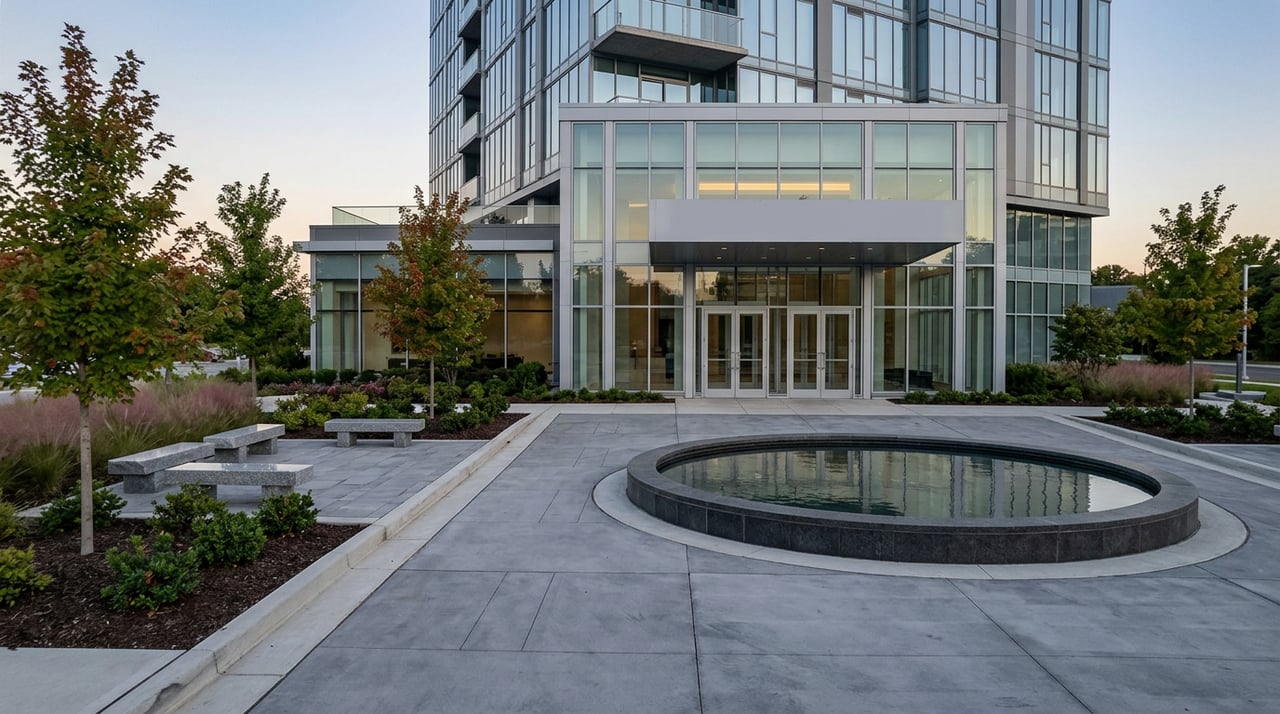
Two condos, same asking price, three blocks apart. One closes in sixty days with nothing more than a standard inspection. The other closes and the buyer spends the next eighteen months watching the mailbox for a special assessment notice that could run into five figures. Nothing about the listing photos told them apart. The difference was written on a document neither buyer thought to ask for on day one: the building's certificate of occupancy.
That's the piece the median price can't show you. Boca Raton's condo market closed August 2026 at a median sale price of $382,250, up 17.3 percent year over year, according to BeachesMLS data compiled by a local research firm, with 1,058 condos and townhouses on the market as of September 13 and about 6.5 months of inventory at that pace. Those numbers describe what a unit costs to buy. They say nothing about what it costs to keep.
The Line Nobody Puts in the Listing
Florida's post-Surfside safety law, passed after the 2021 collapse of Champlain Towers South killed 98 people, sets inspection and reserve requirements for condominium and cooperative buildings. According to Milestone Inspections Boca Raton, the trigger age is 30 years almost everywhere in the state. Along the coast, it drops to 25.
Boca Raton adopted its own version of this timeline in City Ordinance No. 5589, passed August 24, 2021, which created the city's Building Recertification Inspection Program under Section 19-162 of the municipal code. For anyone shopping condos here, a building's age and location can affect its compliance timeline. A building with a certificate of occupancy from the early 2000s can already be inside the compliance window. One issued in 2005 is close behind it.
According to Building Mavens, that certificate of occupancy date, not the year the homeowners association was formed, is what starts the clock. Two towers built during the same construction cycle, sold at the same price per square foot, can be years apart in their compliance timelines.
Why So Much of the Boca Skyline Is Coming Due at the Same Time
Boca Raton saw a wave of condominium construction through the 1970s, 1980s, and into the 1990s. That inventory is now 30 to 50 years old, and a large share of it is hitting the milestone threshold within the same few years of each other. Coastal salt exposure accelerates the underlying problem these inspections are designed to catch: chloride-induced corrosion of the steel reinforcing the concrete, the leading cause of structural deterioration in South Florida's older towers. Buildings in East Boca, along A1A, and near the Boca Raton Inlet carry the heaviest exposure.
For decades, many associations kept monthly dues low by contributing less to reserves. Reserve requirements now affect that approach, leaving the deferred cost of forty years of light reserve funding to be addressed.
What a Few Thousand Dollars in Diligence Can Tell You
A Phase 1 milestone inspection for a typical Boca Raton mid-rise runs $3,000 to $8,000, according to a firm specializing in these inspections locally. Larger high-rise properties along the beach run $10,000 to $20,000 or more. Turnaround is four to six weeks for a Phase 1 report, stretching to eight or twelve weeks if the engineer orders Phase 2 testing, which involves physically probing the structure rather than a visual review.
That's a modest number next to what happens when a flagged building has no answer ready. Across South Florida, associations facing structural findings and a reserve shortfall at the same time have turned to special assessments running from the low five figures into six figures per unit, depending on the scope of repair and how long reserves were underfunded. The point isn't to predict what any specific Boca Raton building will owe. It's that the gap between a building with a completed, funded study and one without is exactly the gap a buyer can close before signing anything, for the price of asking the right questions early.
A milestone inspection clock starts on the date printed on a building's certificate of occupancy.
The Questions That Actually Separate Two Listings
Before a Boca Raton condo goes from "interesting" to "under contract," it's worth working through a short list that has nothing to do with finishes or floor plan:
- Pull the certificate of occupancy date from the Palm Beach County Property Appraiser's records and compare it against the 25-year coastal threshold.
- Ask whether the milestone inspection has been completed, and if so, whether it's Phase 1 only or Phase 2 as well.
- Request the current Structural Integrity Reserve Study and confirm whether reserves for roofing, load-bearing elements, plumbing, and waterproofing are funded at the level the study calls for.
- Review the last 12 to 24 months of board meeting minutes for any discussion of inspections, repair bids, insurance renewals, or proposed assessments.
- Check the association's insurance renewal date and whether the master policy premium has changed materially at the last renewal.
A new state transparency law helps here. According to SavingAdvice, as of January 1, 2026, Florida associations with 25 or more units are required to post governing documents and reserve studies online, giving buyers a way to see this material before it becomes a closing-day surprise rather than after.
Boca's Newer Luxury Towers
This is also why comparing an established building to one of Boca's newer luxury towers isn't really a comparison of price per square foot. Projects like Alina Residences, Glass House, the Residences at Mandarin Oriental, and Mr. C Residences are among Boca's newer luxury towers. Buyers shopping Boca's condo market are increasingly asking about a building's age and inspection status as early as the showing, not just before closing.
What This Means If You're Looking at Two Listings Right Now
The median price tells you what Boca Raton condos are trading for. It says nothing about which of those condos are attached to a building that already knows what its next five years of maintenance cost, and which are attached to one that's about to find out. That's the actual comparison worth making, and it takes a certificate of occupancy date, a reserve study, and a stack of board minutes to make it, not a listing sheet.
A Few Questions Worth Asking Directly
Does a newer certificate of occupancy mean a building is in the clear? It means the building isn't yet inside the milestone inspection compliance window, which removes the near-term catch-up risk older buildings face.
If the seller says the reserve study is done, is that enough? Ask to see it, not just hear about it. The study should show whether reserves are funded at the level it calls for, not just that a study exists. A completed study paired with an unfunded reserve line is a different situation than a completed study with reserves in place.
Can financing still work on an older building under review? Often yes, but lenders and agencies increasingly ask about milestone inspection status, funded reserves, and pending litigation before approving a loan. Getting these documents early keeps financing timelines from stalling later in the process.
If you're weighing two Boca Raton condos that look nearly identical on paper, the building's paperwork is where the real difference lives. That's exactly the kind of digging Erik Ginsberg does before a client ever falls in love with a unit. Lean On Me. Schedule your personalized consultation and let's find out what a building's documents actually say before you make it yours.
This article is general information, not legal, tax or financial advice. Consult a qualified professional about your situation.