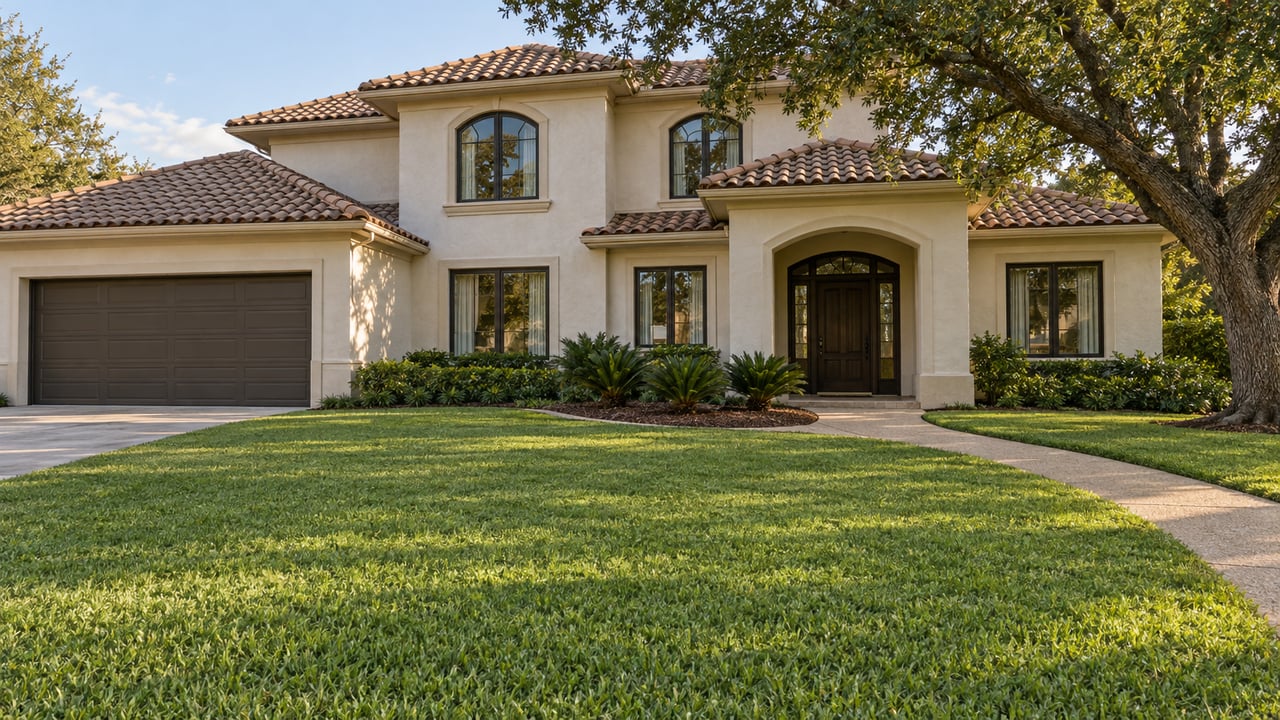
Thinking about trading a larger home for something easier to manage in Boynton Beach? You are not alone. For many Palm Beach County homeowners and seasonal buyers, the goal is not just less square footage. It is less upkeep, simpler travel, and a lifestyle that still feels active and comfortable. If you are weighing a condo against a villa, this guide will help you understand the real differences, the costs to review, and the questions to ask before you make a move. Let’s dive in.
Why Boynton Beach Works for Downsizing
Boynton Beach offers many of the features downsizers want in one place. The city highlights waterfront dining, a municipal beach, a full-service marina, nine recreation centers, and 29 parks. That mix gives you everyday access to outdoor living and in-town convenience without needing the space and workload of a larger property.
Transportation is another big part of the appeal. Boynton Beach has direct access to the Florida Turnpike, three I-95 exits, Tri-Rail, and proximity to major airports and seaports. If you travel often or split time between Florida and another state, that can make lock-and-leave living much more practical.
Condo vs Villa Basics
At a high level, condos and villas can both support a lower-maintenance lifestyle, but they usually do it in different ways. A condo often gives you the fewest day-to-day chores. A villa often keeps more of the feel of a house while still shifting some exterior responsibilities to the community.
The right choice depends on how you want to live. Some buyers want elevator access, close-to-amenity living, and minimal exterior upkeep. Others want a garage, a courtyard, and a little more separation without going back to full single-family maintenance.
What Condo Living Looks Like
Condo living in Boynton Beach often appeals to buyers who want simplicity. In communities like Palm Isles, condos are described as maintenance-free living with lift access, private balconies or patios, and close proximity to the clubhouse. In Hunters Run, condo residences are part of a broader residential mix, with condo homes starting at about 1,300 square feet.
That setup can work well if you want fewer physical chores and easy access to shared amenities. In many condo communities, the lifestyle package is a major part of the value. Depending on the community, that may include fitness centers, pools, racquet sports, social clubs, dining, or entertainment spaces.
Condo Advantages
- Less day-to-day exterior upkeep
- Often easier lock-and-leave ownership
- Elevator or lift access in some communities
- Close access to amenities and social spaces
- A wide range of floor plans and price points
Condo Tradeoffs
- Monthly fees may cover more than basic maintenance
- Rules on pets, rentals, guests, or renovations may apply
- You need to review association finances and reserves carefully
- Older buildings may require added inspection and recertification review
What Villa Living Looks Like
Villa living usually falls between a condo and a detached home. In Palm Isles, villas are described as attached homes with one-car garages, private courtyards and gardens, open floor plans, and included exterior maintenance. That can be appealing if you want a more house-like layout without taking on every outdoor task yourself.
The key thing to remember is that the word villa does not always mean the same thing from one community to another. In some places, it may simply describe the home style. The maintenance package, ownership structure, and included services can vary widely.
Villa Advantages
- More private, house-like feel
- Garages and outdoor spaces are often included
- Exterior maintenance may be handled by the community
- Good middle ground for buyers not ready for apartment-style living
Villa Tradeoffs
- Maintenance coverage can vary more than buyers expect
- You may still handle more than you would in a condo
- Fees and services differ significantly by community
- Lock-and-leave convenience depends on the specific association
Amenities Matter More Than You Think
When you downsize, you may gain lifestyle even as you reduce square footage. That is one reason amenities play such a large role in Boynton Beach communities. Palm Isles highlights a renovated clubhouse, theater, fitness center, tennis and pickleball courts, pools, and social clubs. Hunters Run includes golf, racquet-sports courts, restaurants, a spa and salon, and a broad social calendar.
Those offerings can be a real benefit, but they also affect your monthly carrying costs. In some communities, membership or social fees are part of ownership. Hunters Run, for example, describes itself as a country-club community with a required social membership and optional upgrades for golf or racquet sports.
Look Beyond the Monthly Fee
A lower-maintenance home does not always mean lower total cost. As you compare condos and villas, look at what the monthly payment actually includes. One association may cover exterior upkeep only, while another may also include internet, cable, pest control, or common-area maintenance.
For snowbirds and frequent travelers, extra services can matter just as much as the floor plan. Hunters Run’s HOA materials note optional home-watch and storm-protection services, along with seasonal luggage handling. If you plan to leave for weeks or months at a time, those practical details can make a big difference.
Understand Maintenance Responsibility
Before you sell a larger home and move into a condo or villa, get very clear on who handles what. Under Florida’s Condominium Act, the association is responsible for maintaining common elements, except for limited common elements assigned to the owner by the declaration. In simple terms, condo owners often handle the interior of the unit and personal property, while the declaration controls the exact split.
That is why the association documents matter so much. Florida’s condo buyer guidance recommends asking exactly what you are personally responsible for maintaining and reviewing reserve funds, complaints, litigation, insurance, pet policy, and rental restrictions before buying. A property may look low-maintenance on the surface, but the documents tell you how it works in real life.
Florida Condo Due Diligence in Boynton Beach
Condo due diligence has become more important across Florida, especially in older buildings. State law requires milestone inspections for residential condo and cooperative buildings that are three habitable stories or more when they reach 30 years of age, with a local option to require inspections at 25 years in salt-water-adjacent areas. Existing owner-controlled associations with qualifying buildings also had structural integrity reserve study deadlines due by December 31, 2025.
Boynton Beach adds another local layer. The city requires qualifying condo and cooperative buildings and threshold buildings within city limits to be recertified at 25 years and every 10 years after that, with eastern and coastal areas prioritized in the recertification schedule. If you are considering an older condo building, especially closer to the coast, that review should be part of your decision-making process.
Flood and Stormwater Questions to Ask
If you are focusing on east or coastal Boynton Beach, flood and drainage questions should move to the top of your checklist. The city’s flood analysis says the Eastern/Coastal area is especially affected by current and projected sea-level rise. It also notes that some private communities manage their own stormwater rather than the city.
That means you should not rely only on marketing language about easy living near the water. Ask how drainage is handled, what the association maintains, how stormwater systems are managed, and what insurance requirements may apply. A true lock-and-leave property should be evaluated for resilience as well as convenience.
A Simple Way to Compare Condos and Villas
Here is a practical side-by-side view:
| Feature | Condo | Villa |
|---|---|---|
| Daily upkeep | Usually lower | Varies by community |
| Home style | Apartment-style or multi-unit building | Attached, more house-like |
| Outdoor space | Balcony or patio common | Courtyard or garden often included |
| Garage | Less common | More common |
| Elevator access | Often available in some communities | Less common |
| Maintenance clarity | Often more defined in condo docs | Can vary widely |
| Lock-and-leave appeal | Often strong | Depends on services included |
Questions to Ask Before You Downsize
As you narrow your options, focus on the day-to-day realities of ownership. These questions can help you compare communities more clearly:
- What maintenance do you handle yourself?
- What does the association maintain?
- Are reserves adequately funded?
- Are there current complaints or litigation matters?
- What insurance does the association carry?
- Are there restrictions on rentals, guests, or pets?
- Is elevator access available if needed?
- How much storage and parking comes with the home?
- Is hurricane prep or home-watch available?
- How is stormwater managed, especially in coastal locations?
Choosing the Right Fit for Your Next Chapter
The best downsizing move in Boynton Beach is not always the smallest home. It is the property that matches how you want to live. If you want the least amount of upkeep and easy access to amenities, a condo may be the better fit. If you want a garage, some outdoor space, and a more home-like layout, a villa may give you a better balance.
The details matter. Monthly fees, maintenance responsibilities, inspections, reserves, and storm-related considerations can all shape whether a property truly supports a simpler lifestyle. With the right guidance, you can sort through those details and choose a home that feels lighter, easier, and better aligned with your goals.
If you are exploring a move in Boynton Beach or anywhere in Palm Beach County, Erik Ginsberg, Primier Group can help you compare condo and villa options with clear, personalized guidance.
FAQs
What is the main difference between a condo and a villa in Boynton Beach?
- A condo usually offers the lowest day-to-day maintenance, while a villa often provides a more house-like layout with features such as a garage or courtyard and varying levels of included exterior upkeep.
What should condo buyers review before purchasing in Boynton Beach?
- You should review maintenance responsibilities, reserve funds, insurance, complaints, litigation, and any restrictions on pets, rentals, guests, or resale, based on Florida condo buyer guidance.
Are older Boynton Beach condo buildings subject to inspections?
- Yes. Florida requires milestone inspections for certain residential condo and cooperative buildings that are three habitable stories or more, and Boynton Beach also requires qualifying buildings to follow a local recertification schedule.
Why do flood and drainage questions matter for coastal Boynton Beach properties?
- The city’s flood analysis says the Eastern/Coastal area is especially affected by sea-level rise, and some private communities are responsible for their own stormwater systems, so buyers should verify how those issues are managed.
Are all villa communities in Boynton Beach maintained the same way?
- No. The term villa describes a style of home, but the maintenance package and included services can vary widely from one community to another.
Can downsizing in Boynton Beach still offer an active lifestyle?
- Yes. Boynton Beach highlights amenities such as parks, recreation centers, a municipal beach, waterfront dining, and marina access, and many communities also offer fitness, social, dining, and racquet-sport amenities.