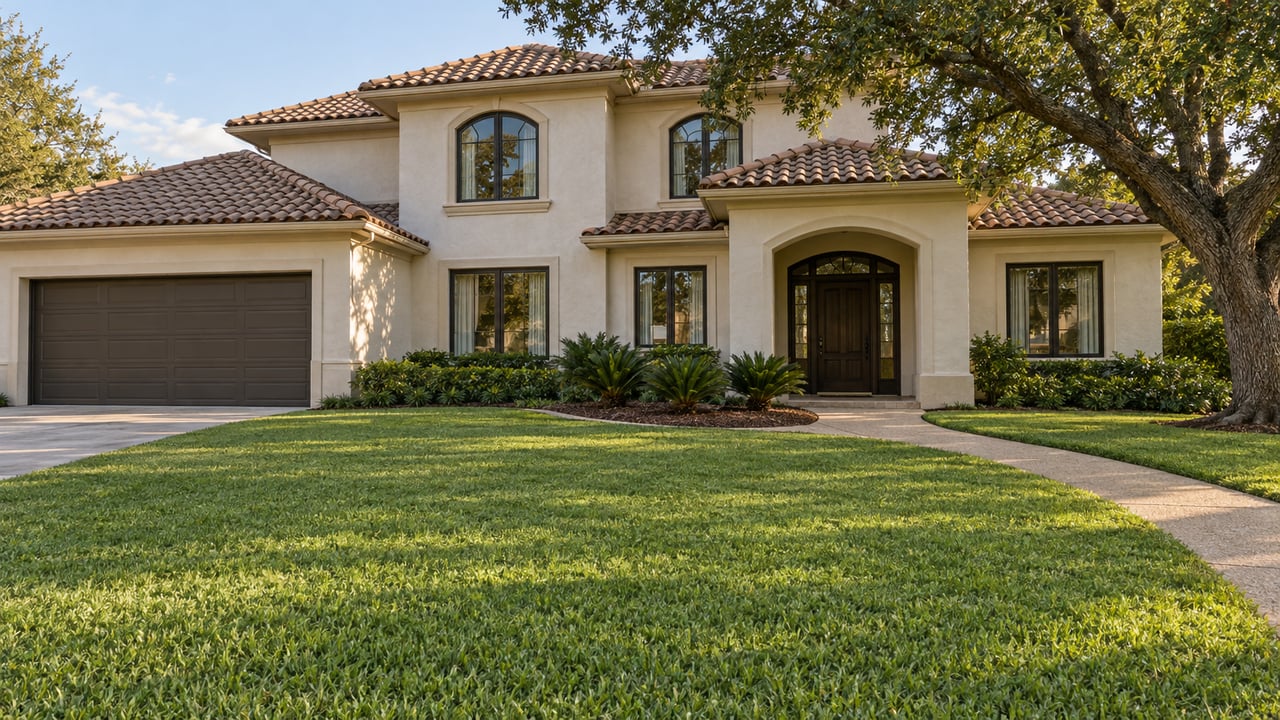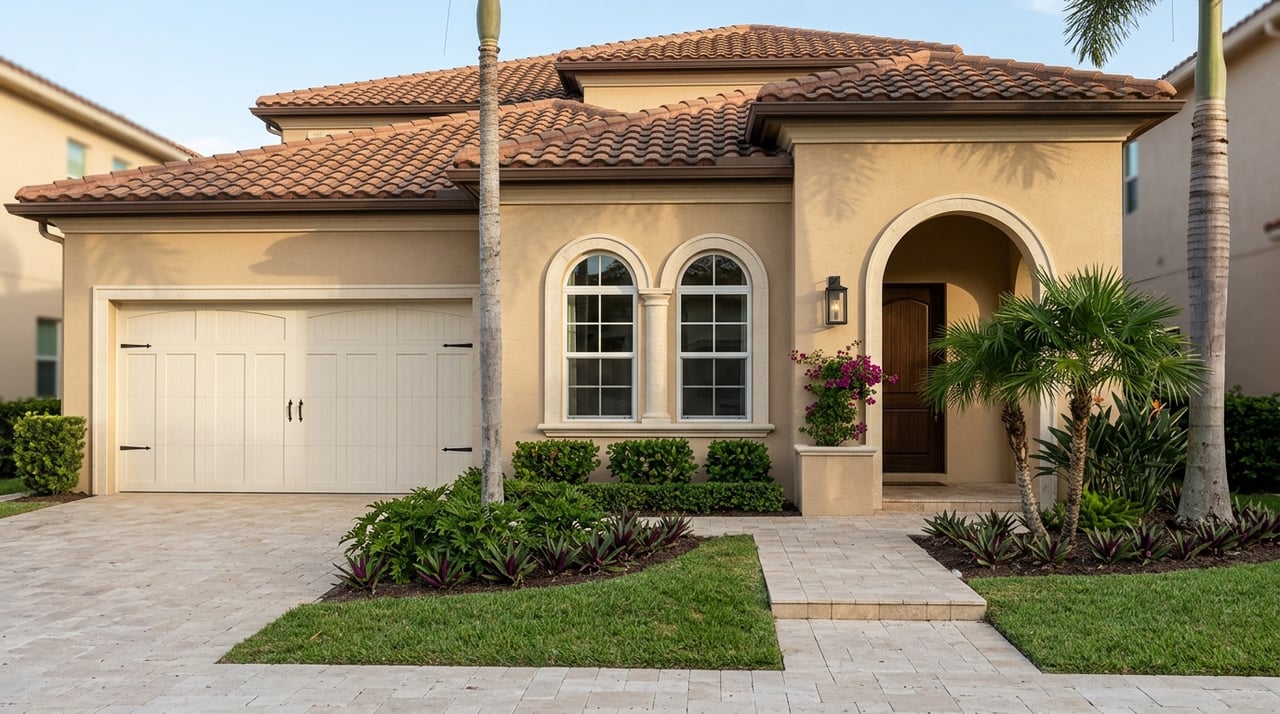
Selling a home in Boca Raton can feel simple on paper, but the real timeline usually has more moving parts than most sellers expect. Between home prep, pricing, marketing, showings, negotiations, and closing details, it helps to know what happens when and where delays can show up. If you want a smoother sale and fewer surprises, a clear step-by-step plan makes a big difference. Let’s dive in.
Start With a Realistic Boca Timeline
In Boca Raton, selling a home is often not a one-week sprint. Recent market snapshots show inventory around 2,600 homes for sale, a median list price of $579,624, and marketing times that often stretch across several weeks, with median days on market around 67 and an average around 80.
That is why a realistic selling timeline is often about 3 to 5 months from your first prep meeting to closing for a financed sale. That estimate is not a rule, but it reflects Boca’s current pace and the fact that closing itself is a multi-week process.
The good news is that you can influence several parts of that timeline. In Boca, the biggest levers are usually condition, staging, association paperwork, pricing, and how quickly your marketing launch comes together.
Weeks 1 to 2: Plan the Sale
The first stage is all about strategy. Before your home goes live, you need a plan for pricing, repairs, disclosures, documents, and presentation.
This is also the time to talk through your goals. You may want the highest possible price, a faster timeline, less disruption, or a balance of all three. Your strategy should reflect that from day one.
Review Condition Early
A pre-sale inspection is not required, but it can help you spot issues before buyers do. Common concerns may involve the roof, plumbing, electrical system, HVAC, insulation, or ventilation.
Finding those issues early gives you options. You can repair them, price around them, or prepare for questions before they show up during a buyer’s inspection period.
Gather Disclosures and Records
Florida sellers must disclose known facts that materially affect value when those issues are not readily observable. That duty still applies even if the home is sold as-is.
This is why the prep phase matters so much. It gives you time to identify known issues, organize repair history, and avoid a last-minute scramble once your home is on the market.
Helpful items to gather early include:
- Appliance manuals
- Repair invoices
- Service records
- Home warranties
- Upgrade receipts
- Any relevant maintenance documentation
Weeks 1 to 3: Order Condo or HOA Documents
If your Boca property is in a condo or homeowners association, start this step early. Association paperwork can affect your timeline before the listing is even fully launched.
In Florida, HOA and condo estoppel certificates must generally be issued within 10 business days of request. Those certificates also have limited validity, usually 30 or 35 days depending on delivery method, so timing matters.
Why Associations Can Slow a Sale
For condo resales, buyers may also need governing documents and financial information. Florida law gives buyers cancellation rights tied to receiving certain condo documents, which means missing paperwork can create delays.
In practical terms, condo and HOA sales often take a bit longer than stand-alone houses. The closing calendar is shaped not only by the buyer’s lender, but also by how quickly association documents are requested, delivered, and reviewed.
Weeks 2 to 4: Prepare the Home for Market
Once the planning work is underway, the next phase is preparing your home to make a strong first impression. In Boca Raton, where buyers often compare many options online before booking a showing, presentation matters.
This stage may include repairs, paint touch-ups, deep cleaning, landscaping, staging, and decluttering. These updates do not need to be flashy. They need to help buyers see the home clearly and confidently.
Focus on the Right Improvements
Staging is one of the most common tools used to improve marketability. It can involve cleaning, arranging furniture, or temporarily furnishing rooms so buyers can better picture how the space lives.
National staging data shows that many buyers’ agents believe staging makes it easier for buyers to visualize a property. The most commonly staged areas are the living room, primary bedroom, and dining room.
Use Compass Concierge if It Fits
For some sellers, one challenge is timing the work before the home is listed. Compass Concierge can front the cost of services like staging, flooring, painting, landscaping, deep cleaning, repairs, and even some seller-side inspections or evaluations, with payment due at closing under program terms.
That can be especially helpful if you want to improve presentation without paying all costs up front. It can also make it easier to move faster when the best next step is getting the home market-ready now rather than later.
Weeks 3 to 5: Build the Marketing Launch
Launch week is not just about putting a sign in the yard. It is the point where pricing, visuals, and exposure all come together.
Professional photography should be treated as part of the launch plan, not an afterthought. Marketing guidance consistently points to photos, videos, virtual tours, showings, open houses, signage, social media, and MLS exposure as key tools in attracting buyers.
Consider a Phased Launch
A phased launch can be useful in Boca when prep work overlaps with marketing. Compass offers options such as a Private Exclusive or Coming Soon phase before the home goes fully public.
This approach can allow repairs, staging, photography, and price testing to begin before the full MLS debut. It is not a guarantee of a faster sale, but it can create useful momentum and flexibility.
Week 5: Go Live and Watch the First Two Weeks Closely
When your home officially hits the market, the first days matter. Buyers are watching fresh inventory closely, and early feedback often tells you whether your pricing and presentation are landing.
Boca market data suggests sellers should expect negotiation. Recent figures show homes selling for about 4.76% below asking on average, with a sale-to-list ratio around 94.3%.
What Happens During the First Days on Market
Once the listing is live, expect a mix of:
- Private showings
- Open house traffic
- Online inquiry activity
- Agent and buyer feedback
- Early discussions around price and terms
Because Boca’s market pace is measured in weeks, not days, the first two weeks are often a decision point. If feedback is strong, you may stay the course. If the response is weak, it may be time to adjust pricing, improve presentation, or refresh the launch strategy.
Weeks 5 to 10: Negotiate and Go Under Contract
Some homes move faster, and others take longer, but many sellers should expect this part of the process to take several weeks. Once offers come in, the goal is not just to look at price.
You also want to review financing strength, timing, inspection terms, requested credits, closing date, and any contingencies. The strongest offer is often the one with the best overall balance of price, certainty, and fit for your schedule.
Think Beyond the Headline Number
A financed offer may involve a longer path to closing than a cash offer. A condo sale may need extra time if association documents are still in play.
This is one reason a step-by-step timeline helps. You are not just accepting an offer. You are choosing the contract path that best supports your goals and keeps the process on track.
Weeks 8 to 12: Move Through Closing
After you go under contract, the transaction enters a final phase that still takes coordination. Closing is the last step in the mortgage transaction, but it does not happen the moment everyone signs.
In Florida, closing occurs when the closing agent has collected all required funds and all required closing documents have been delivered. Signing alone does not equal closing.
What Happens Before Closing Day
During this stretch, the closing side may coordinate:
- Title work
- Payoff information
- Association estoppels or resale documents
- Lender requirements
- Buyer loan processing
- Final figures and signatures
For financed sales, the buyer must receive the Closing Disclosure at least three business days before closing. The full process can take several weeks, and signatures may be collected separately.
Prepare for Possession and Handoff
Under the standard Florida contract, the seller is expected to deliver possession at closing, remove personal items and trash, and turn over keys and access devices. That means your move-out plan should be built into the timeline before closing week arrives.
If your home is in a condo or HOA, keep in mind that delayed estoppels or resale documents can slow the process even late in the transaction. This is why early document ordering matters so much.
A Simple Boca Seller Timeline
Here is a practical way to think about the full process:
| Stage | Typical Focus | Approximate Timing |
|---|---|---|
| Planning | Pricing, disclosures, inspection review, records | Weeks 1 to 2 |
| Association prep | Condo or HOA documents, estoppels | Weeks 1 to 3 |
| Home prep | Repairs, cleaning, staging, updates | Weeks 2 to 4 |
| Marketing setup | Photos, video, listing strategy, launch planning | Weeks 3 to 5 |
| Active market | Showings, open houses, feedback, offers | Weeks 5 to 10 |
| Under contract | Title, lender, association documents, final coordination | Weeks 8 to 12 |
| Closing | Funds, documents, possession, handoff | Final days |
This is not a fixed calendar for every Boca home. It is a working roadmap that helps you plan more confidently.
How to Keep Your Sale Moving
The smoothest sales usually start before the listing goes live. When you treat the sale as overlapping workstreams instead of one straight line, you reduce downtime and create more options.
A few ways to keep momentum on your side include:
- Request condo or HOA paperwork early
- Gather disclosures and service records in advance
- Address visible condition issues before photography
- Treat staging and media as part of launch, not extras
- Watch early market feedback closely
- Build move-out timing around the actual closing process
In Boca Raton, a successful sale is often less about rushing and more about preparing well. When the details are handled early, the rest of the transaction tends to feel much more manageable.
If you are thinking about selling and want a plan built around your home, timing, and goals, Erik Ginsberg, Primier Group offers the kind of local, concierge-style guidance that helps you move forward with clarity. Lean on a senior advisor who knows Boca, understands the moving parts, and can help you prepare for a stronger launch.
FAQs
How long does it usually take to sell a home in Boca Raton?
- A practical Boca Raton selling timeline is often about 3 to 5 months from the first prep meeting to closing for a financed sale, depending on condition, pricing, marketing pace, and closing details.
What paperwork do Boca Raton condo sellers need early in the process?
- Boca Raton condo sellers should request association documents and estoppel information early because those items can affect both the listing timeline and the closing schedule.
Is a pre-sale inspection required before selling a Boca Raton home?
- No, a pre-sale inspection is not required, but it can help uncover issues before buyers do and give you time to repair them or adjust pricing expectations.
When should staging happen for a Boca Raton home sale?
- Staging should usually happen before professional photography and before the home officially launches so buyers see the strongest possible presentation from day one.
What happens after a Boca Raton home goes under contract?
- After a Boca Raton home goes under contract, the transaction typically moves through title work, lender processing, document collection, association coordination if needed, and final closing preparations.
Why can Boca Raton condo sales take longer than single-family home sales?
- Boca Raton condo sales can take longer because association estoppels, resale packets, required document delivery, and buyer review periods may add extra calendar time.