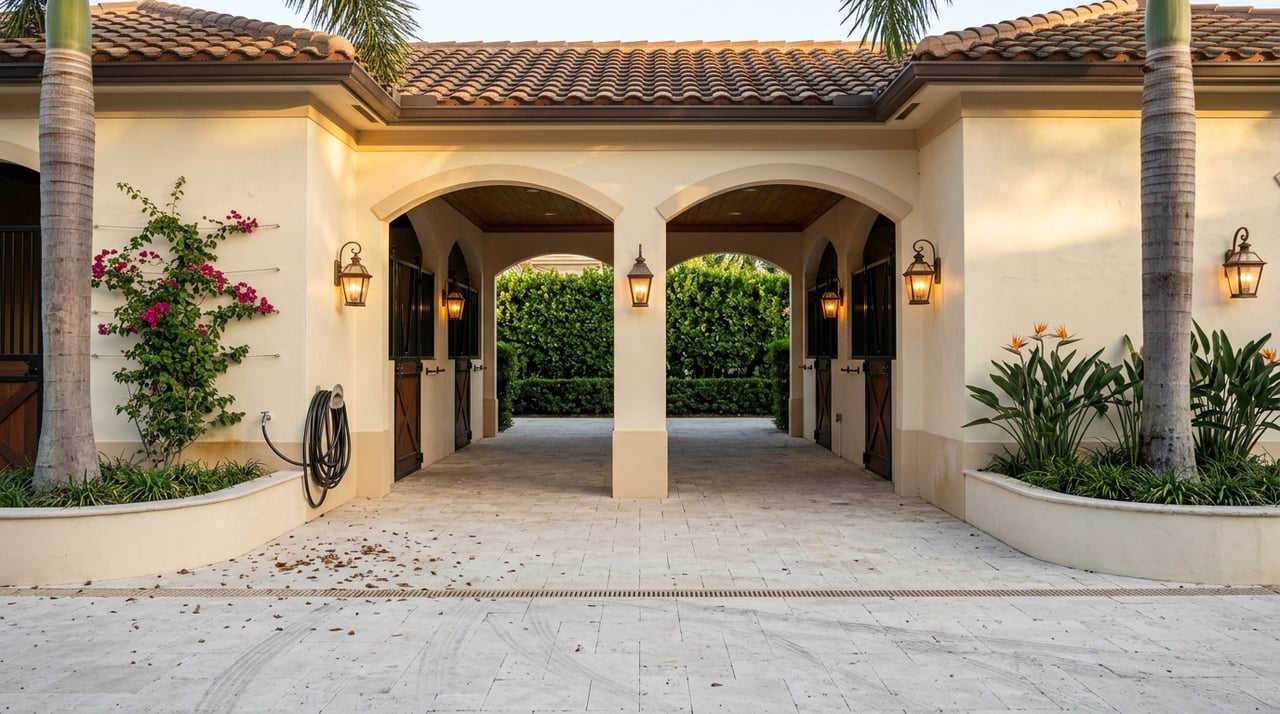
If you are looking at seasonal rentals and equestrian homes in Wellington, timing and property type matter more here than in many other Palm Beach County markets. Wellington’s winter calendar creates a very specific rental window, and the right home can appeal to riders, trainers, seasonal visitors, and owners who want a turnkey stay near major equestrian events. If you understand how demand, lease structure, and local rules fit together, you can make smarter buying, leasing, or investment decisions. Let’s dive in.
Why Wellington’s seasonal market stands out
Wellington is shaped by its equestrian calendar in a way few South Florida communities are. According to the Village of Wellington, the equestrian season generally runs from November through April, which aligns with the period when many seasonal renters begin looking for furnished homes and horse properties.
That demand is supported by major events and infrastructure. The Village notes that Wellington sees nearly 13,000 horses at peak season, has more than 580 farms, and maintains over 100 miles of bridle trails. The area also has a deep equestrian footprint tied to polo, hunter-jumper, dressage, and recreational riding, which helps explain why winter demand is so concentrated and so consistent.
Winter events drive rental timing
A large part of Wellington’s seasonal demand comes from the event calendar. Wellington International hosts Winter Equestrian Festival competition from January through March, with broader events from November through April.
The National Polo Center winter season adds another layer, including the Gauntlet of Polo from February through April. Together, these schedules create the core period when furnished homes, equestrian properties, and well-located rentals are most sought after.
What seasonal renters often want
In Wellington, many seasonal renters are not just looking for a place to sleep. They are often looking for a home that supports a busy winter schedule, easy logistics, and, in some cases, horse-related operations.
Depending on the property, renters may prioritize:
- Proximity to showgrounds or polo venues
- Furnished, move-in-ready interiors
- Simple parking and turnover logistics
- Space for trailers or horse-related vehicles where permitted
- Barn, stall, or farm features for equestrian use
- A lease structure that matches the winter season
This is one reason Wellington often functions as a two-layer rental market. There is a broad housing baseline, and then there is a winter premium tied to equestrian season and turnkey availability.
Wellington rental pricing in context
For a broad market benchmark, Zillow’s Wellington rental data lists the average rent at $3,680 as of April 10, 2026, with 410 available rentals. That gives you a useful starting point, but it does not fully capture the value of a furnished equestrian home near major venues.
For another data point, the research report cites Miami Realtors’ April 2024 Palm Beach County rental report showing Wellington zip code 33414 with a median asking rent of $4,000 and a median of 12 days on market. That suggests an active rental environment, especially for well-positioned properties.
The key takeaway is simple: broad rental averages are helpful, but seasonal equestrian homes often operate in a more specialized demand segment. Location, furnishings, lease timing, and horse-property functionality can all influence interest.
Short-term rental rules in Wellington
Before you buy or lease out a property, it is important to understand Wellington’s local rules. The Village treats short-term rentals as a regulated use, and compliance should be part of your planning from the start.
According to the Village’s vacation rental guidance, a property offered more than three times per calendar year for periods of less than 30 days or one calendar month requires a Vacation Rental Permit, also called a Special Use Permit. The Village also requires an annual Business Tax Receipt for each unit.
The permit fee is $600 per unit, it is not transferable, and it is currently not required to be renewed. The rules also allow an owner to rent an entire home, or, if the home is homesteaded and owner-occupied, an individual sleeping room.
Taxes can change your rental strategy
In Florida, lease length can have tax consequences. Under Florida law on transient rentals tax, the state imposes a 6% transient rentals tax on certain accommodations rented for shorter periods, while bona fide written leases for continuous residence longer than six months are excluded.
The same source notes that counties may also impose local transient rental taxes on accommodations rented for six months or less. In Palm Beach County, the Tourist Development Tax is 6%, and registered hosts are responsible for collection and remittance. County guidance also states that short-term rental ads should display the TDT account number and the short-term rental local business tax receipt number.
For owners, this means your lease structure is not just a pricing decision. It also affects taxes, compliance, and the overall management plan for the property.
Longer leases have different notice rules
If you are weighing a seasonal strategy against an annual one, notice requirements matter. The Village notes that Palm Beach County’s rental notification ordinance requires 60-day written notice for residential lease non-renewal, termination, or rent increases greater than 5%.
That can become important if you plan to switch between a winter seasonal lease and a longer-term annual rental. A three- to five-month winter arrangement and a 12-month lease may create very different expectations for turnover, pricing, and timing.
HOA rules can be just as important
One of the biggest surprises for buyers is that the property itself may not tell the whole story. In Wellington, HOA or condo documents can directly affect whether a home works for your rental goals.
Under Florida HOA law, associations may regulate rentals for terms under six months and may prohibit rentals more than three times in a calendar year. For buyers considering seasonal rentals, that means the governing documents may matter just as much as the home’s location or finishes.
Before closing, it is smart to confirm:
- Rental term minimums
- Lease approval requirements
- Frequency limits on rentals
- Occupancy or parking restrictions beyond Village rules
- Any community-specific rules that affect furnished seasonal leasing
What makes an equestrian home different
A Wellington equestrian home offers more than square footage and interior design. For many buyers and renters, the appeal is how the property supports horse use, daily logistics, and access to Wellington’s equestrian infrastructure.
The Village’s Equestrian Community information explains that Wellington uses an Equestrian Overlay Zoning District, supports more than 100 miles of public bridle trails, and includes more than 580 farms. The Village also notes that horse farms commonly range from 1 to 200 acres and that the Equestrian Preserve is intended to keep horses close to the competitive arenas.
That matters because not all homes with land function the same way. For an equestrian buyer or investor, the practical details often carry as much weight as the address.
Key features to verify in equestrian properties
If you are evaluating an equestrian home in Wellington, focus on functionality first. A beautiful home may still fall short if the site does not support the intended use.
Important items to review include:
- Barn and stall capacity
- Drainage and site conditions
- Trailer access and vehicle circulation
- Whether the parcel sits in the Equestrian Preserve
- Any overlay zoning or other land-use controls
- Turnkey readiness for seasonal occupancy
These details can affect both daily use and long-term value. They can also shape how attractive the property is to a seasonal renter who needs a smooth setup during a busy competition schedule.
Furnishing and operations matter more than you think
For many seasonal rentals in Wellington, a turnkey setup makes operations easier. The Village’s short-term rental code includes rules on occupancy, parking, noise, and pets, which means owners should think beyond style and focus on durability and ease of use.
Per the Village’s vacation rental requirements, overnight occupancy is capped at two people per bedroom. Overnight parking is limited to one vehicle per bedroom, with a maximum of four vehicles except in certain larger-lot cases, and off-street parking is required.
The same rules prohibit loud music or equipment that is plainly audible across the property line. Pets must be secured within property lines or on a leash, and nuisance barking is prohibited. In practice, these standards favor clear house instructions, low-maintenance landscaping, durable furnishings, and simple, organized turnovers.
A smart due diligence checklist
Whether you are buying an investment property, searching for a seasonal rental, or planning to lease out an equestrian home, due diligence is critical in Wellington.
Use this checklist as a starting point:
- Verify the Special Use Permit requirements and annual Business Tax Receipt for any short-term rental plan
- Confirm the Palm Beach County TDT account setup and remittance responsibilities
- Review whether the planned lease term may trigger transient tax exposure
- Check HOA or condo documents for rental caps, frequency limits, and approval rules
- Match your furnishing plan to local occupancy, parking, pet, and noise rules
- For equestrian homes, verify barn layout, stall capacity, circulation, drainage, and zoning context
A well-located home can be a strong fit for seasonal demand, but only if the legal and operational details line up with your goals.
How local guidance can help
Wellington’s seasonal and equestrian market is highly specific. The best opportunities often come from understanding not just the home, but also the event calendar, lease structure, tax rules, community documents, and property operations.
If you are exploring a seasonal rental, buying an equestrian property, or considering an investment strategy in Palm Beach County, working with someone who understands these moving parts can save time and reduce surprises. With the right plan, you can approach Wellington with more clarity and confidence.
If you want help evaluating Wellington seasonal rentals, equestrian homes, or broader Palm Beach County opportunities, connect with Erik Ginsberg, Primier Group. You will get thoughtful, concierge-style guidance built around your goals, whether you are relocating, investing, buying, or leasing.
FAQs
What is the main seasonal rental window in Wellington?
- Wellington’s core seasonal rental window generally runs from November through April, supported by the local equestrian season and winter event calendar.
What permits are required for short-term rentals in Wellington?
- If a property is offered more than three times per calendar year for periods of less than 30 days or one calendar month, the Village requires a Vacation Rental Permit or Special Use Permit and an annual Business Tax Receipt.
What taxes apply to Wellington seasonal rentals?
- Florida imposes a 6% transient rentals tax on certain shorter rentals, and Palm Beach County also imposes a 6% Tourist Development Tax on accommodations rented for six months or less.
What should buyers review before buying a Wellington rental property?
- Buyers should review Village permit rules, tax obligations, lease-length implications, HOA or condo restrictions, and property-specific operating details such as parking, occupancy, and noise requirements.
What makes Wellington equestrian homes unique?
- Wellington equestrian homes may offer access to a well-established horse community with farms, public bridle trails, and zoning features designed to support equestrian use near major competition venues.
Why do HOA documents matter for Wellington seasonal rentals?
- HOA and condo documents may restrict rental terms, approval processes, and how often a property can be rented, which can directly affect whether a home fits a seasonal rental strategy.