Trading New York winters for Boca sunshine is exciting, but choosing the right neighborhood can feel overwhelming. You want the beach, an easy commute, a smart tax move, and the right home style without surprises. This guide breaks down how Boca Raton and nearby Palm Beach County areas actually live day to day, what typical homes cost, and the real tradeoffs Northeastern buyers weigh most. You will walk away with a short list of places that fit your lifestyle and budget. Let’s dive in.
Boca layout in a nutshell
Boca Raton sits on the coast in southern Palm Beach County. I-95 runs north-south through the city and acts as the main divider. When locals say “east of I-95,” they mean closer to the beach, Mizner Park, and downtown. West of I-95 you find many planned communities, country clubs, and newer subdivisions with larger lots.
You will also hear about nearby options that trade price for proximity. Delray Beach to the south offers another walkable downtown. Deerfield Beach and Lighthouse Point sit just over the Broward County line. West Palm Beach is a bigger job center to the north with urban neighborhoods and cultural venues. Many buyers compare these areas to dial in value and commute needs.
Neighborhood types at a glance
East of I-95 and coastal
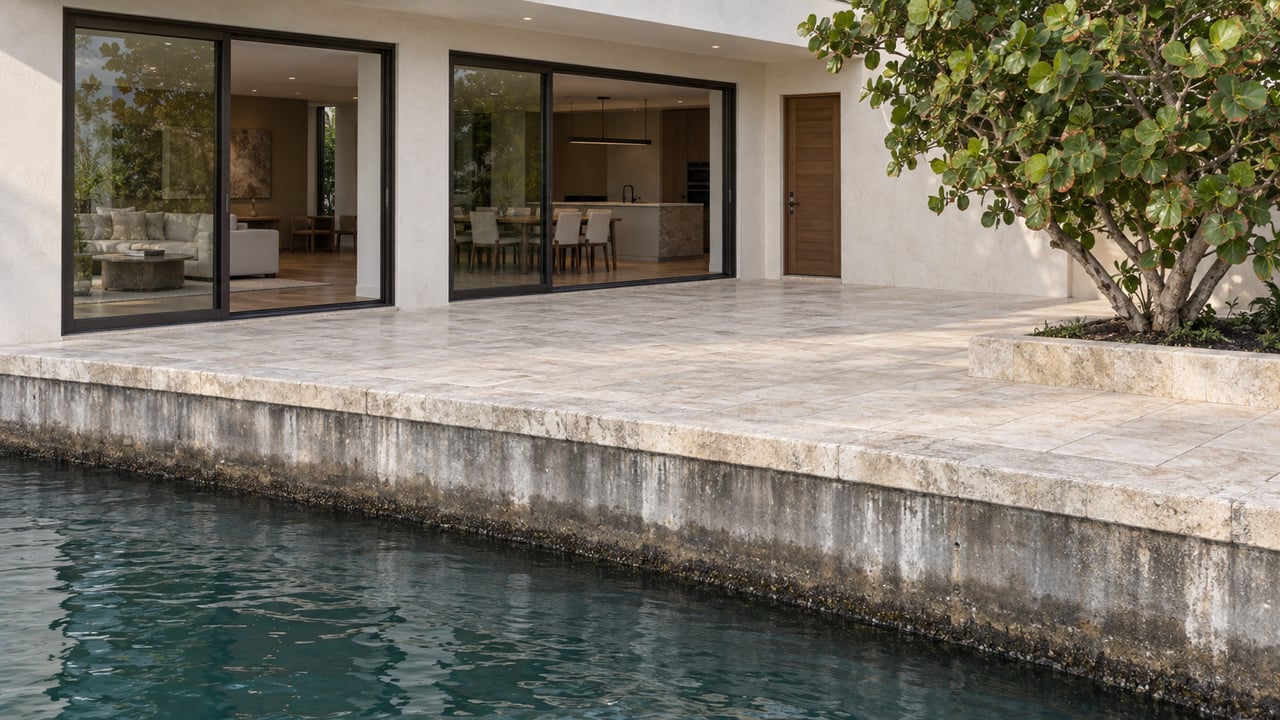
If you want walkability and beach access, start here. East Boca blends urban and suburban living with restaurants, arts, and the Mizner Park area. You will see luxury high-rise condos on the sand, low-rise buildings closer in, and single-family homes on smaller lots in established neighborhoods. Waterfront and intracoastal homes command a premium.
Typical price bands:
- Beachfront high-rise condos: roughly $500,000 to $5,000,000+.
- Intracoastal and luxury single-family: typically $1,000,000 to $8,000,000+.
- Downtown-area condos near Mizner Park: about $300,000 to $2,000,000.
Lifestyle notes:
- Highest walkability to dining and entertainment.
- Stronger exposure to wind and flood zones in some pockets.
- Lock-and-leave condo living options for seasonal use.
Country-club communities
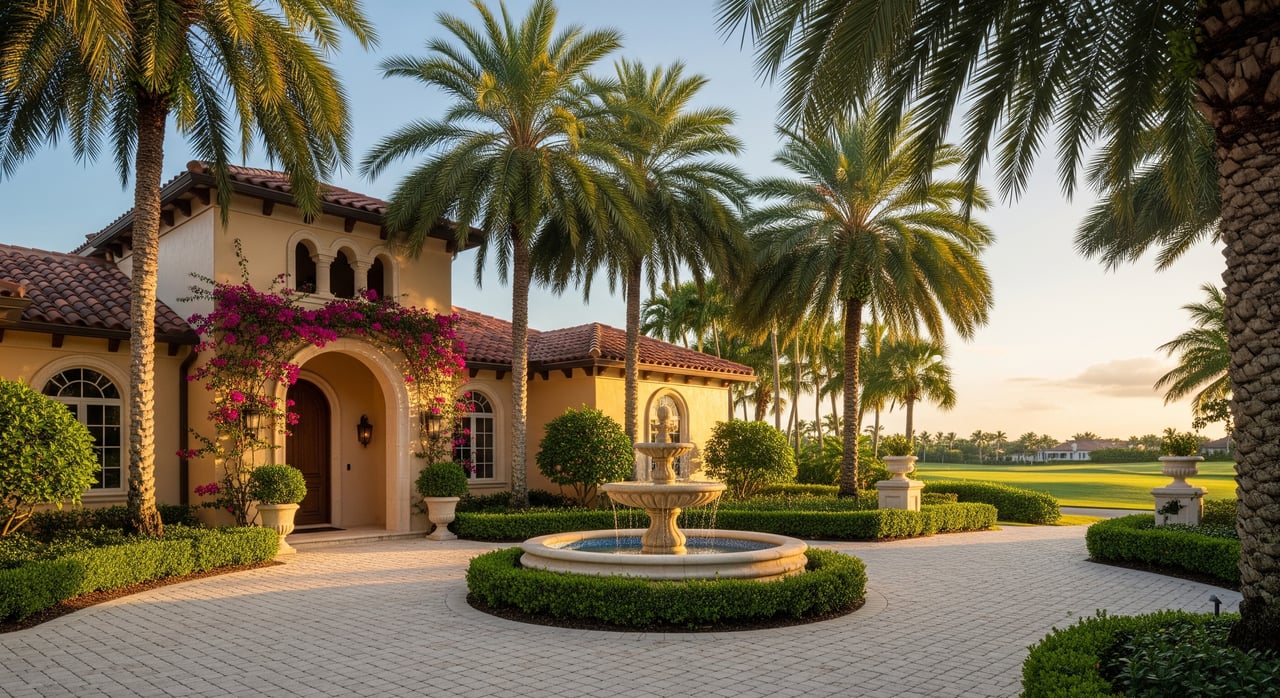
Country clubs package golf, tennis, fitness, dining, and social life behind staffed gates. Communities often include a mix of single-family homes, villas, and condos. Some are geared to active adults, while others serve multi-generational households. Membership structures vary. In some clubs, membership is required and includes initiation fees and annual dues.
Typical price bands:
- Single-family homes in prestigious clubs: roughly $600,000 to $3,000,000, with estates higher.
- Villas and condos within clubs: roughly $200,000 to $900,000.
Lifestyle notes:
- Amenity-driven, social programming, and on-site maintenance.
- Monthly costs include HOA fees and possibly club dues.
- Great fit if you want a built-in community.
Gated subdivisions
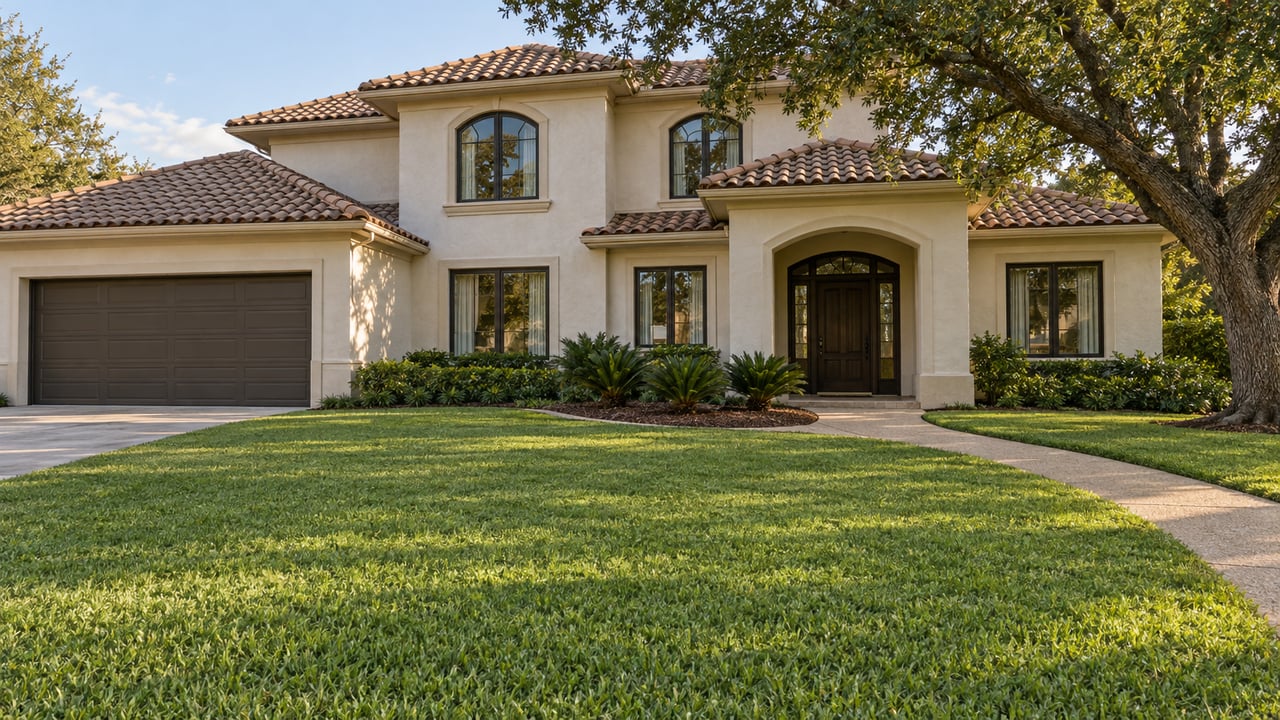
Non-club gated neighborhoods focus on privacy and quiet streets without mandatory club costs. You will find single-family homes and townhomes, often from the late 20th century onward, with newer infill options. HOA fees can be moderate to robust depending on services provided.
Typical price bands:
- Single-family homes: about $450,000 to $2,000,000 depending on age and finishes.
Lifestyle notes:
- Security gates, consistent streetscapes, and yard space.
- Rules and maintenance vary by HOA.
- Often a strong option for families wanting space and predictability.
Condo corridors
Clusters of mid-rise condos line key east-west roads like Yamato Road, Glades Road, and parts of Palmetto Park Road, plus areas near the Tri-Rail and Brightline corridor. Many buildings date from the 1970s to 1990s with ongoing renovations. This is where many buyers find value and easier commutes without beachfront premiums.
Typical price bands:
- Condos: roughly $200,000 to $800,000.
- Townhomes in these corridors: about $350,000 to $800,000.
Lifestyle notes:
- Lower maintenance and convenient lock-and-leave living.
- Good for seasonal residents or full-time professionals who travel.
- Check building reserves and special assessment history.
Inland suburban west Boca
Head west and you will see larger master-planned communities, newer construction, and access to Florida’s Turnpike. These areas trade walkability for space and newer homes. Price per square foot often comes in lower than the east side.
Typical price bands:
- New-construction single-family: roughly $450,000 to $1,200,000+ depending on builder and upgrades.
- Larger lots and adjacent towns can offer more value per square foot.
Lifestyle notes:
- Suburban feel, less dense, and car-forward.
- Popular with buyers seeking more bedrooms and yard space.
- Convenient to shopping centers and community parks.
Lifestyle tradeoffs to weigh
Cost and maintenance
Condos lower day-to-day maintenance since the association handles exteriors, common areas, and landscaping. The tradeoff is a monthly fee that can run from several hundred dollars to more than a thousand, based on services and amenities. Single-family homes give you autonomy and yard space, but you take on landscaping, pool care, and exterior upkeep. Many owners hire service providers to manage this.
Country clubs and full-service gated communities can add recurring costs on top of your mortgage and taxes. If membership is required for amenities, factor in initiation fees and annual dues early in your budget.
HOA and membership fees
Association fees vary widely. In single-family communities they are often lower, but full-service neighborhoods can be higher. In condos, learn exactly what the fee covers. Ask about building insurance, reserves for roof work, pest control, security, and any cable or internet packages. Review special assessment history so you are not surprised later.
Insurance, weather, and flood
South Florida has hurricane and wind exposure. Coastal and intracoastal properties commonly require flood insurance, and premiums depend on elevation, construction year, and mitigation features. Wind-only policies and deductibles vary with the age and condition of the roof. Insurance can be higher than you might expect if you are moving from the Northeast, so obtain quotes before you write offers. Flood maps can change, so verify flood zones for each address.
Taxes and Florida advantages
Palm Beach County property taxes typically fall around 1 percent to 1.5 percent of assessed value, though rates vary by city and levies. Florida has no state income tax, which is a major positive for many NY, NJ, and CT buyers. If you make the home your primary residence, Florida’s homestead exemption and the Save Our Homes cap can reduce taxable value and limit assessment increases. Confirm current rules and eligibility before you close.
Schools and daily routines
Boca Raton and Palm Beach County include a range of public and private school options. Specific attendance zones can influence your search, and commute patterns to private schools matter for daily life. Many gated and club communities coordinate bus pick-ups and after-school logistics. Review zoning maps and travel times to align your home choice with your routine.
Resale and seasonal dynamics
Coastal and amenity-rich properties tend to hold value and rent well on a seasonal basis. If you care about short-term rentals, review local ordinances and the HOA’s rental policy. South Florida has a winter season from roughly December to April when population and traffic rise, along with real estate activity. Plan your visits and offers accordingly.
Commute and connectivity
Driving is the default in South Florida. I-95 is the main artery through Boca Raton. Florida’s Turnpike often provides a faster route for west-side trips with fewer lights. Off-peak drives typically look like this, but expect longer times during rush hour and winter season:
- Boca Raton to Delray Beach: about 15 to 25 minutes.
- Boca Raton to West Palm Beach: about 25 to 40 minutes.
- Boca Raton to Fort Lauderdale: about 45 to 75 minutes.
- Boca Raton to Miami: about 60 to 120 minutes depending on destination and traffic.
Rail services include Tri-Rail for regional commuting across the tri-county area and Brightline for faster intercity trips. Check current station lists and schedules to see if a rail-adjacent home fits your routine. For flights, Palm Beach International Airport is typically 20 to 40 minutes from most of Boca. Fort Lauderdale-Hollywood International and Miami International add more domestic and international routes, usually 45 to 90 minutes away depending on traffic.
Match your lifestyle to neighborhoods
- You want walkability and culture: Look east of I-95 near the beach and Mizner Park. Downtown condos and nearby single-family homes put restaurants, shows, and sand within minutes.
- You want golf and a built-in social calendar: Explore country-club communities that bundle recreation, dining, and events. Compare membership costs, tee time access, and clubhouse quality.
- You want low-maintenance and value: Scan condo corridors along major roads and near rail stations for updated units and shorter commutes.
- You want more space for a growing household: Focus on gated subdivisions and west Boca’s master-planned communities for larger lots and newer builds.
- You want investment or seasonal use: Prioritize areas with strong amenities and review rental rules carefully to match your plan.
Price bands cheat sheet
Use these ranges as a quick filter, then verify current comps with an agent and MLS data.
- East of I-95 beach condos: about $500,000 to $5,000,000+.
- East-side intracoastal single-family: typically $1,000,000 to $8,000,000+.
- Downtown Mizner Park condos: about $300,000 to $2,000,000.
- Country-club single-family: roughly $600,000 to $3,000,000+.
- Country-club villas and condos: roughly $200,000 to $900,000.
- Gated subdivisions, non-club single-family: about $450,000 to $2,000,000.
- Condo corridors condos: roughly $200,000 to $800,000.
- Townhomes in corridors: about $350,000 to $800,000.
- West Boca new construction: roughly $450,000 to $1,200,000+.
Remember, premiums rise with waterfront access, new construction, and modern renovations. Building age matters for insurance and potential assessments, especially in older condo buildings.
Smart search steps
Define your must-haves. Rank beach access, yard size, HOA or club lifestyle, and any school zone needs. This will focus your map.
Set a budget that includes more than the mortgage. Estimate HOA or club dues and secure sample insurance quotes early. Add reserves for special assessments if you are considering a condo.
Test-drive four contrasts. Tour one coastal area, one country club, one gated subdivision, and one condo corridor. Virtual tours can save time before a visit.
Ask targeted questions. Request HOA documents and reserve studies, building insurance summaries, special assessment history, flood zone data and elevation certificates, roof age, and any prior hurricane repairs.
Plan for the season. If you shop mid-season, expect more traffic and competition. Off-season can create negotiation opportunities, but inventory may shift.
What to ask on tours
- What does the HOA fee cover exactly, and how well is the reserve funded?
- Are there current or planned special assessments?
- What are the flood zone designation and estimated flood and wind insurance costs?
- How old is the roof and what wind mitigation credits apply?
- What are rental rules, pet policies, and guest policies?
- If a club, what are initiation fees, annual dues, and dining minimums?
When to shop and how to pace it
Winter months bring seasonal residents and higher activity. You may see more listings, but you will also face more competition and traffic. In late spring and summer, some sellers become more flexible and you have more time to compare options. If you are remote or on a short timeline, line up virtual tours, lender pre-approval, and insurance conversations in advance.
Ready to compare neighborhoods?
You deserve clear guidance and a smooth landing. With 30-plus years in South Florida and a concierge approach, I help Northeastern buyers narrow options fast, preview homes, and manage the details from first call to closing. If you want a local advisor backed by team resources, marketing power, and on-the-ground neighborhood insight, lean on me. Connect with Erik Ginsberg, Primier Group to map your short list and tour like a local. Lean On Me - Schedule Your Personalized Consultation.
FAQs
Do I need flood insurance in Boca Raton?
- If a property is in a FEMA flood zone or on the water, flood insurance is often required by lenders, and premiums vary by elevation, construction year, and mitigation features.
What are typical HOA fees for Boca condos?
- Condo fees often range from several hundred to more than a thousand dollars per month depending on services and amenities; always review what is covered and any assessment history.
How long is the commute from Boca to Miami?
- Plan for about 60 to 120 minutes by car depending on traffic and the specific destination; rail options like Brightline can help for certain routes.
What should I expect for property taxes when moving from NY?
- Palm Beach County rates commonly land around 1 percent to 1.5 percent of assessed value, and Florida has no state income tax; homestead rules may reduce taxable value for primary residents.
Are club memberships mandatory in Boca country clubs?
- It depends on the community; some require membership with initiation fees and annual dues, while others offer optional structures, so confirm details before making an offer.