Wondering whether a Palm Beach condo or single-family home is the better fit for your lifestyle? It is a smart question, especially in a market where the purchase price is only part of the story. If you are weighing convenience, privacy, monthly costs, and how often you will actually use the property, this guide will help you sort through the tradeoffs with confidence. Let’s dive in.
Palm Beach ownership starts with lifestyle
Palm Beach is a barrier island in eastern Palm Beach County with a full-time resident population of about 9,212, plus roughly 15,000 seasonal residents from November to May. The Town also notes strict zoning standards, an active historic preservation program, and 3 miles of public beaches. That mix helps explain why condos and detached homes can serve very different buyers on the island.
If you plan to use the home seasonally, a condo may feel more practical. If you want more control, more privacy, and a property that lives more like a full-time retreat, a single-family home may be the better match. The right answer usually comes down to how hands-on you want ownership to be.
Condo vs house: the core difference
A condo purchase gives you ownership of your unit plus an interest in shared common areas and building systems. That means some major responsibilities are handled at the association level, but you also need to follow building rules and budget for HOA dues.
A single-family home gives you the house, the lot, and more direct control over how the property is maintained and used. You generally have more independence, but you also take on more of the upkeep, exterior maintenance, and risk management yourself.
Why condos appeal in Palm Beach
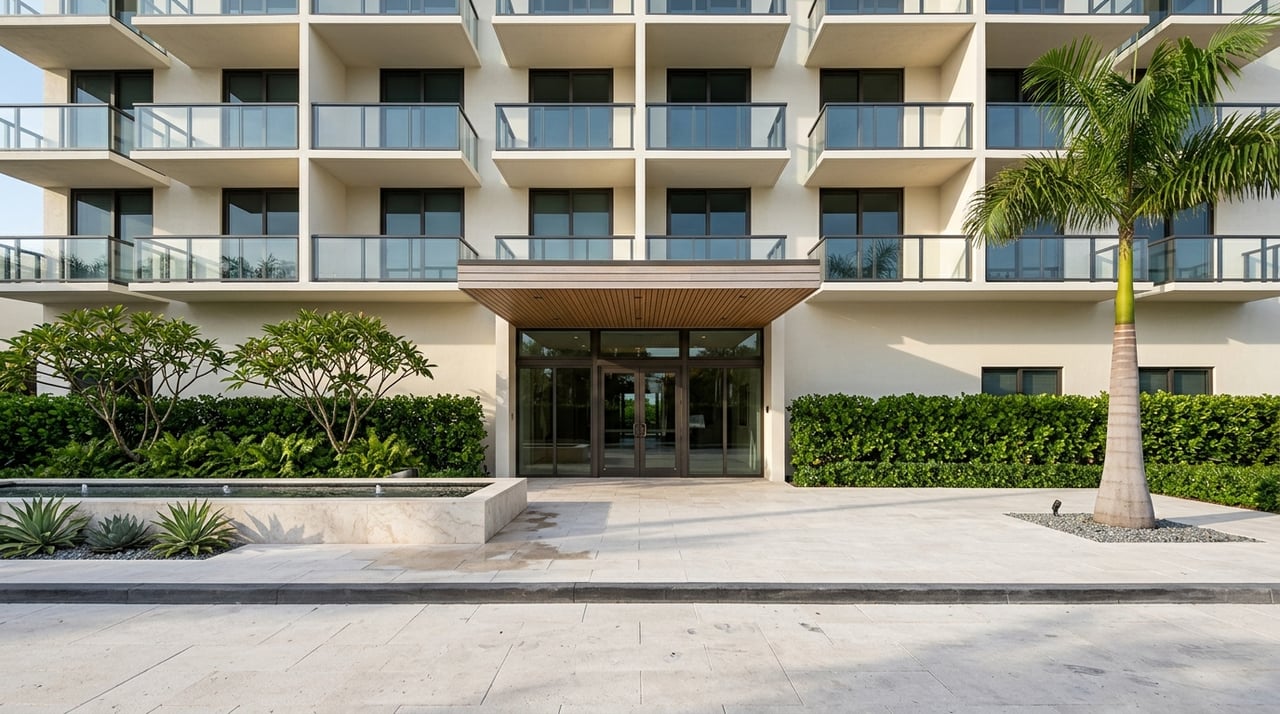
For many Palm Beach buyers, especially second-home shoppers, a condo offers a simpler ownership experience. Shared amenities, building management, and a smaller private footprint can make it easier to come and go without worrying as much about day-to-day property care.
Current listings show how broad that condo range can be. A unit at 235 Sunrise Ave is a 480-square-foot one-bedroom with a $1,398 monthly HOA and amenities like a pool and elevator. Another condo at 100 Worth Ave includes features like elevator access, a fitness center, manager on site, and ocean access.
That setup can be attractive if you want a lock-and-leave property. It can also work well if you value services and amenities more than private outdoor space.
Condo costs to watch closely
The biggest condo mistake is focusing too much on the purchase price and not enough on the full monthly carrying cost. In Palm Beach, HOA dues can be significant and may include building insurance and services like water, trash, pest control, or cable.
For example, a current listing at 100 Worth Ave is priced at $3.95 million with $2,976 per month in HOA dues. Another listing at 150 N Ocean Blvd PH3 is priced at $8.75 million with $8,235 per month in HOA dues. These are not market averages, but they show how quickly condo carrying costs can add up.
Condo insurance and building oversight
Florida guidance says condo owners typically need an HO-6 policy. This policy mainly covers personal property and liability and includes at least $2,000 of loss assessment coverage. Condo associations usually carry master insurance for common areas, but that does not replace your personal policy.
For qualifying buildings that are three habitable stories or higher, Florida law also requires recurring structural integrity reserve studies and milestone inspections. These reviews can cover roofs, plumbing, electrical, waterproofing, windows and exterior doors, elevators, HVAC, pools or spas, seawalls, parking areas, drainage, and irrigation. In practical terms, that means condo buyers should pay close attention to the building’s financial and physical condition before closing.
Why single-family homes appeal in Palm Beach
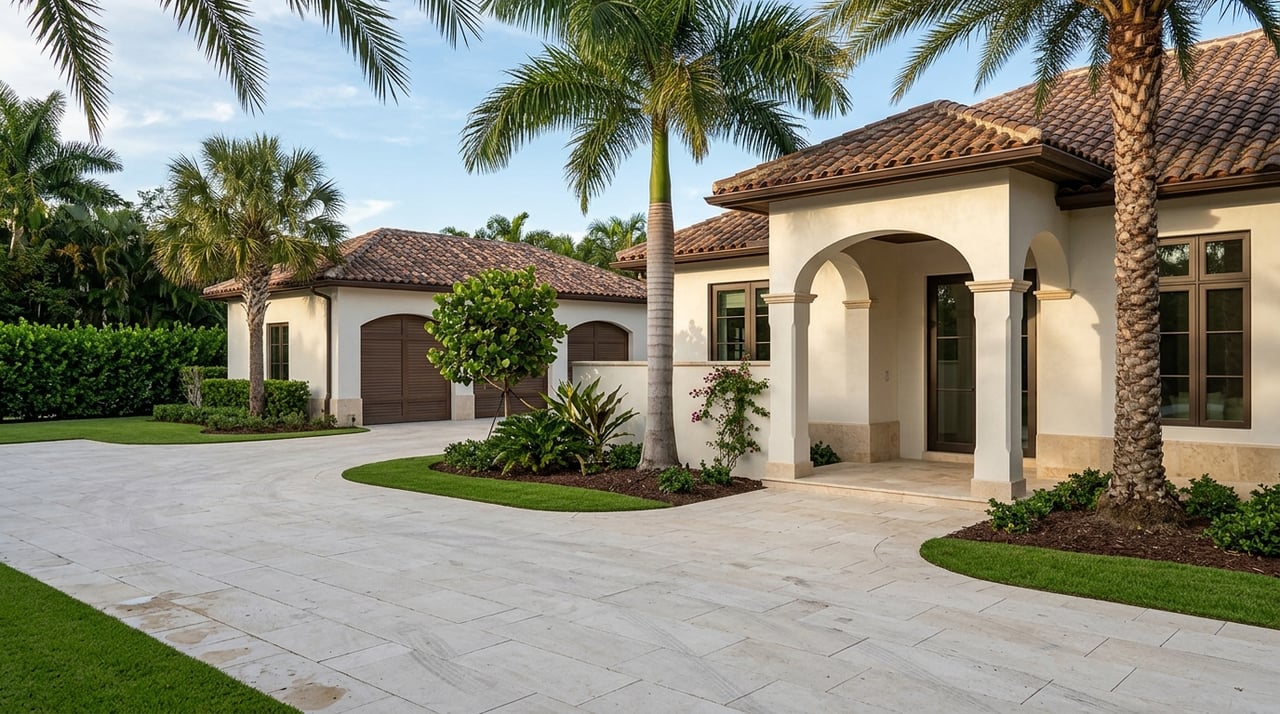
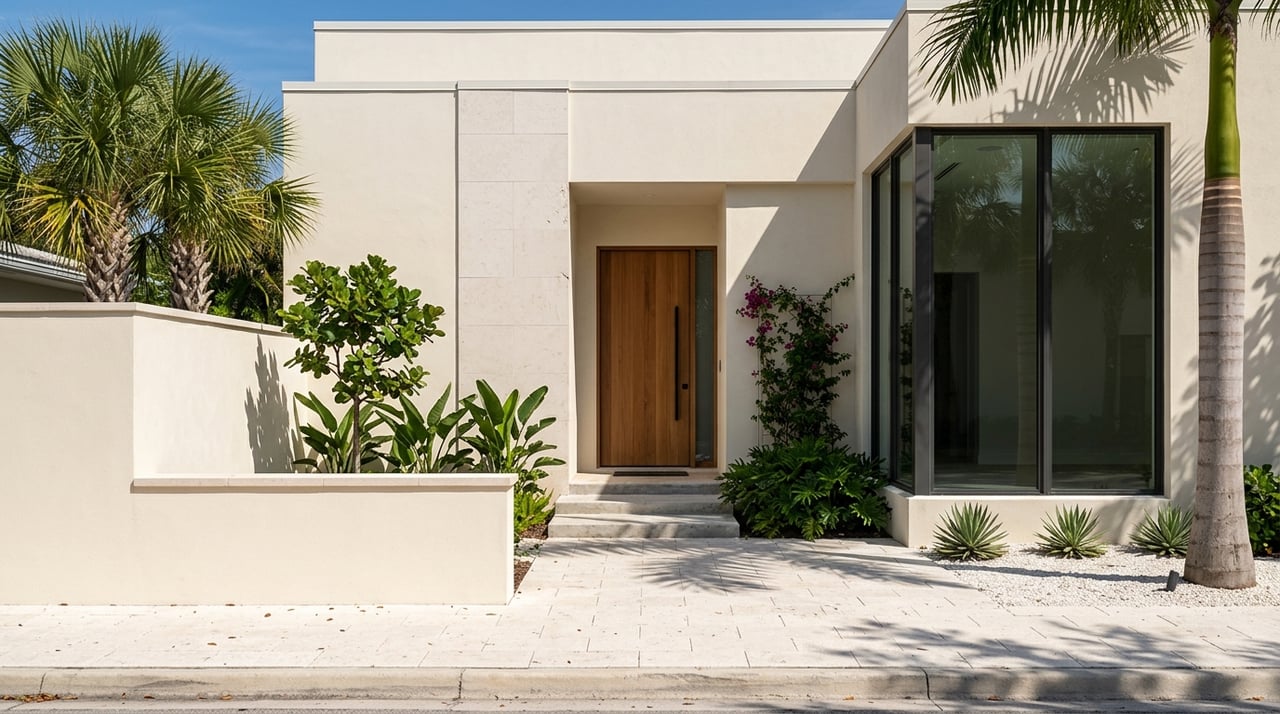
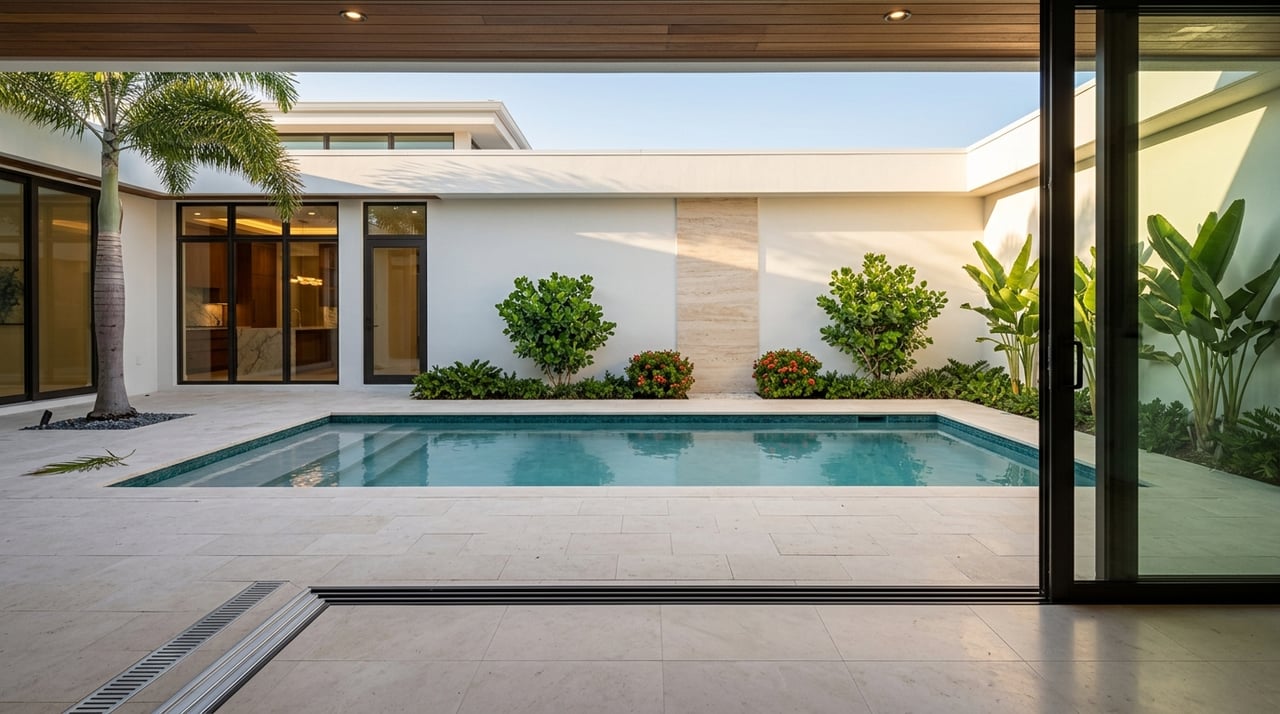
A single-family home usually offers more privacy, more separation from neighbors, and more outdoor space. If you picture a private pool, a yard, room for guests, or greater control over renovations, a house may fit better.
A current example at 206 Caribbean Rd illustrates that difference. The property is a 4-bedroom, 4.5-bath home with 4,187 square feet on a 9,746-square-foot lot, along with a private pool and spa, impact glass, and a 2-car garage. That is a very different ownership experience from a condo building with shared systems and common amenities.
House ownership means more control and more responsibility
The appeal of a detached home is straightforward. You have more say over the property and how you use it. But in Palm Beach, that control comes with more responsibility.
The Town’s strict zoning standards and active historic preservation program can influence what owners may do to a home’s exterior. So while a house gives you more freedom than a condo in many ways, it may also require more planning and oversight when you want to make changes.
House insurance and maintenance planning
Florida insurance guidance says homeowners insurance for a single-family property typically covers the dwelling, attached structures, certain unattached structures, and personal property. Buyers often use an HO-3 style homeowners policy for this type of property.
It is also important to know what standard coverage does not include. Flood damage is not covered under standard homeowners insurance, so separate flood insurance may be needed depending on the property and risk. When you own a house, you also need to budget for roof maintenance, landscaping, pool equipment, and any waterfront features such as a seawall.
Compare the all-in monthly cost
In Palm Beach, the best comparison is not condo price versus house price. It is the all-in monthly and annual cost of ownership.
With a condo, your HOA dues may cover building insurance and some recurring services. With a house, you may not have HOA dues, but your insurance, taxes, maintenance, and exterior upkeep can be much higher and less predictable from year to year.
A current listing at 206 Caribbean Rd shows $0 HOA fees in the listing calculator, but it also reflects an annual tax amount of $77,958. On the condo side, the monthly dues at some properties can run into the thousands. That is why buyers should model the full picture before deciding.
Palm Beach taxes can change the math
If the property will be your permanent Florida residence, homestead exemption may apply. If it will be a second home, Palm Beach buyers should understand that the tax treatment can be different.
Palm Beach County property tax guidance notes that non-homesteaded properties, including second homes, are subject to a 10% assessment cap rather than the 3% Save Our Homes cap used for homesteaded properties. For seasonal buyers, that difference can have a real impact on long-term carrying costs.
Questions to ask before buying a condo
If you are considering a Palm Beach condo, your due diligence should go beyond the unit itself. You want to understand the building’s rules, financial health, and required maintenance planning.
Ask for these items early:
- Current association budget
- Reserve funding status
- Most recent structural integrity reserve study
- Milestone inspection records, if applicable
- Any pending special assessments
- Rules on pets, rentals, and renovations
Florida law requires associations to distribute the completed structural integrity reserve study to owners and to arrange milestone inspections when required. Those records can tell you a lot about how a building is being managed.
Questions to ask before buying a house
If you are leaning toward a single-family home, focus on the systems and site conditions that can affect both cost and peace of mind. In Palm Beach, small details can turn into major ownership expenses if they are overlooked.
Key questions include:
- How old is the roof?
- Is the property in an area where flood coverage is advisable?
- Are there wind mitigation features in place?
- What is the condition of the seawall, if waterfront?
- How old is the pool equipment?
- What are the expected annual insurance costs?
- What level of landscaping and exterior maintenance is typical?
These questions help you understand the real cost of owning the property after closing, not just the price you pay to acquire it.
How to choose the right fit for you
If you want a lower-touch second home, shared amenities, and a more seasonal ownership style, a condo may be the stronger fit. If you want privacy, land, private outdoor living, and more control over the property, a single-family home may make more sense.
There is no one-size-fits-all answer in Palm Beach. The better choice is the one that matches how you plan to live, how often you will use the property, and how much ownership work you want to take on.
A smart decision usually comes from balancing four things:
- Your lifestyle goals
- Your monthly and annual carrying-cost comfort level
- Your preferred level of privacy and control
- Your willingness to manage maintenance and property oversight
If you are comparing options in Palm Beach or relocating from the Northeast and want help narrowing the field, Erik Ginsberg, Primier Group can help you weigh the tradeoffs and move forward with clarity.
FAQs
What is the main difference between a Palm Beach condo and a single-family home?
- A condo gives you ownership of a unit plus shared common areas and systems, while a single-family home gives you more private space, more control, and more direct responsibility for upkeep.
What costs matter most when comparing Palm Beach condos and houses?
- The most important number is the all-in carrying cost, including HOA dues, taxes, insurance, maintenance, and any likely repair or reserve-related expenses.
What insurance should you expect with a Palm Beach condo?
- Florida guidance says condo owners typically carry an HO-6 policy, while the association generally carries master insurance for common areas.
What insurance should you expect with a Palm Beach house?
- Single-family owners generally use a homeowners policy that covers the dwelling and related structures, but standard coverage does not include flood damage, which may require a separate policy.
What documents should you review before buying a Palm Beach condo?
- Review the association budget, reserve funding status, structural integrity reserve study, milestone inspection records if applicable, pending special assessments, and rules on pets, rentals, and renovations.
Why do taxes matter for second-home buyers in Palm Beach?
- Non-homesteaded properties, including second homes, are subject to a 10% assessment cap rather than the 3% Save Our Homes cap for homesteaded primary residences, which can affect long-term costs.